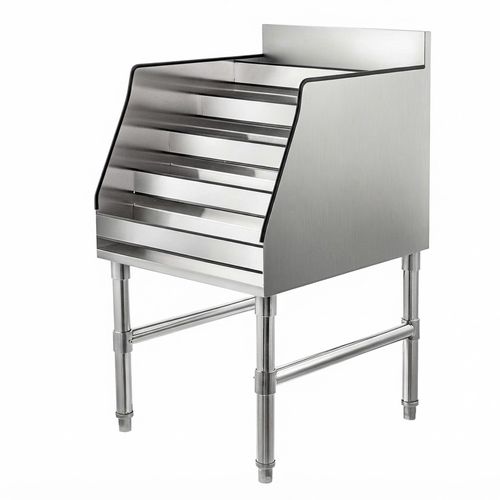
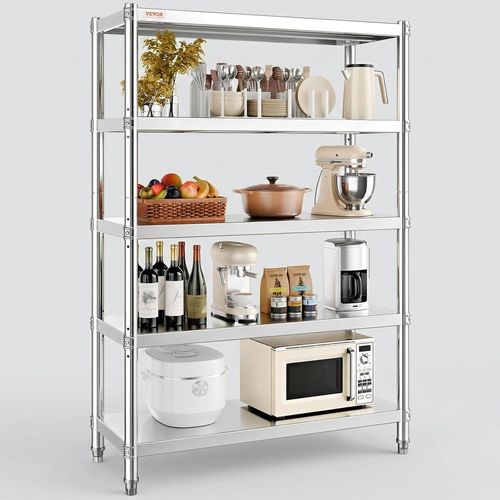
5-Tier Stainless Steel Liquor Rack
- 304 stainless steel, rust-resistant build
- 5 tiers hold 30 bottles total
- 3-inch backsplash protects walls and floors
- Rubber-edged tiers prevent bottle scratches
- Adjustable feet for uneven flooring
Fifteen 304 and 430 stainless steel commercial kitchen appliances rated 4.20★ across 4,817 verified buyer reviews. Built for the food truck, juice bar, school cafeteria, and concession stand launching without the four-figure restaurant-supply outlay.
Nine product groups under one storefront — food prep, cooking, juicing, slicing, vending, concession, storage, hood parts, washing-machine pans. Pick the model whose throughput matches your daily prep volume.
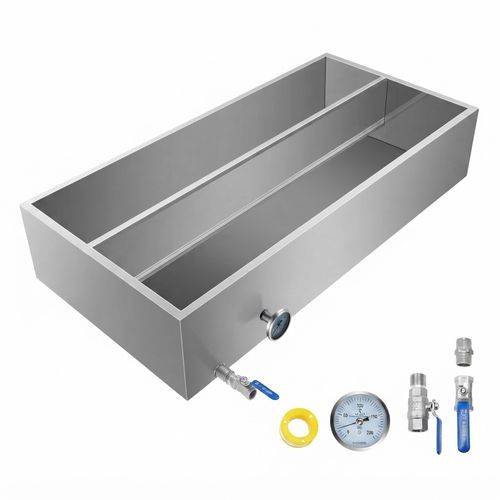
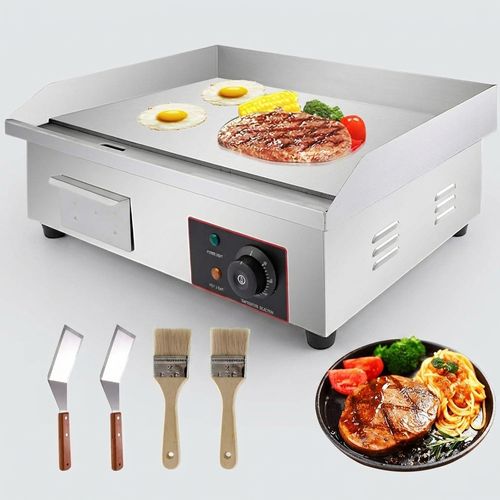
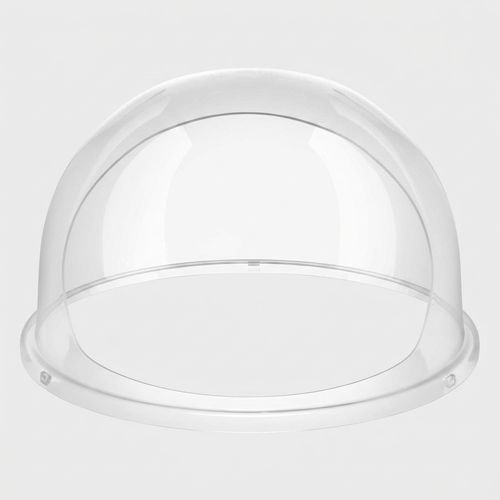
Six reasons grounded in spec data — pricing tier, voltage, material grade, durability under daily commercial load, and the return-window pathway that backs every purchase.
A Hobart commercial food processor lists in the four-figure range; the VBENLEM 500 W lands in mid-tier pricing online. Same 304 stainless contact surfaces, same two-feed-hole architecture, same continuous-feed prep workflow — at a price a single-truck operator can sign for on the launch loan.
Every powered appliance runs on US standard single-phase. Drop the 22" griddle on a counter, push the 51 lb food processor into a corner, run the 32 W rotisserie motor on the same circuit as the lights. Skip the electrician quote that adds another four-figure line item to your launch budget.
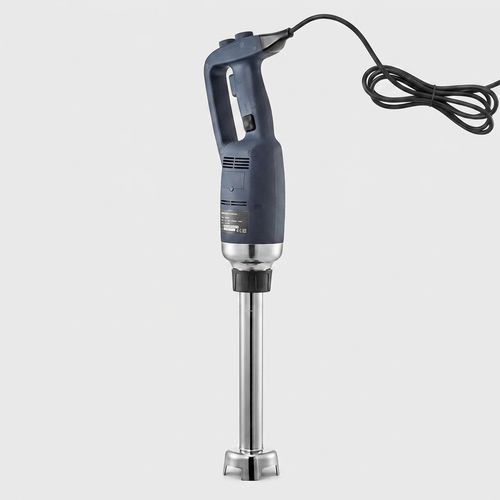
Six SKUs name explicit material grade in the bullet copy — 304 on the 14.5" immersion blender shaft, 430 baffles on the 19.5" hood filter pack, food-grade stainless drum on the 370 W tomato strainer. Wipe clean between batches; the metal does not pit under acidic prep over a year of daily service.
Toss the residential blender that strips its gears under continuous celery feed. End the cycle of buying the same Cuisinart twice a year. The 500 W processor weighs 51 lb because the chassis sinks heat the residential motor cannot dump. Heavier metal, slower wear, fewer replacement runs to the appliance aisle.
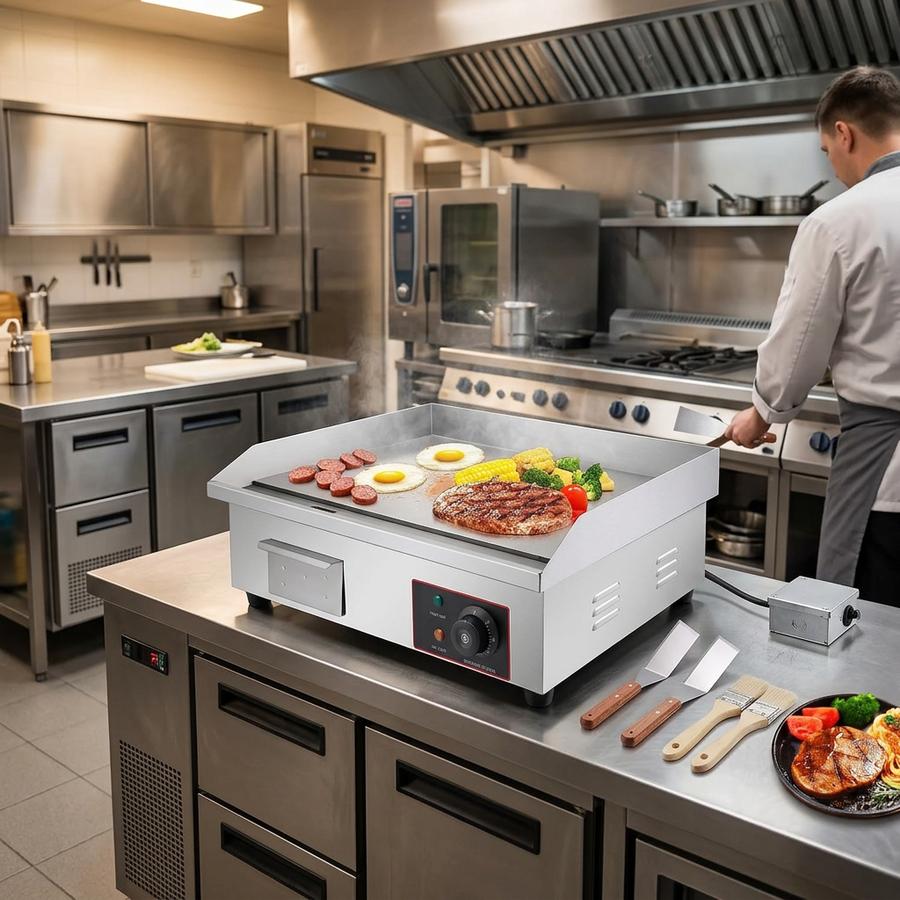
Picture the first morning of service. Thirty covers between 7 and 9 a.m., the 22" countertop flat-top runs three-egg orders side by side without a cold spot, the 0.6 L juicer clears the breakfast smoothie line, the 5-tier shelf holds prep mise en place a single operator can reach without bending. The launch month begins on plug-in.
Default coverage runs the 30-day return window. At least one SKU listing surfaces a direct manufacturer contact for blades, gaskets, and motor inquiries past that window. Receive a damaged unit and the freight reverse runs through the retailer; need a replacement gasket at month seven and the seller messaging system routes the request.
Four steps that match the small-business foodservice workflow — pick the spec, plug into the wall, run the daily shift, track the spec floor for next reorder.
Match throughput — kilograms per hour, liters per batch, sheets per minute — to your daily prep volume. Fifteen models cover a 5.64 lb cotton-candy shield to a 93 lb commercial orange juicer.
Every powered appliance runs on US standard single-phase. No electrician install, no 240 V conversion, no three-phase rewire. The 22" griddle and the 32 W rotisserie share a circuit on a food-truck rail.
Stainless contact surfaces wipe clear between batches. The food processor's transparent on/off switch cover guards against accidental power-up during blade swaps. Batch through prep, plate the order, reset for the next ticket.
Wattage, RPM, capacity, and warranty pathway sit on the listing detail page per SKU. Verify the spec against your service ticket before reorder — replacement blades and gaskets route through the seller messaging system.
The mechanism behind the headline rating — what each appliance actually does on a busy line, with watt counts, RPM figures, and the use-case it was built around.
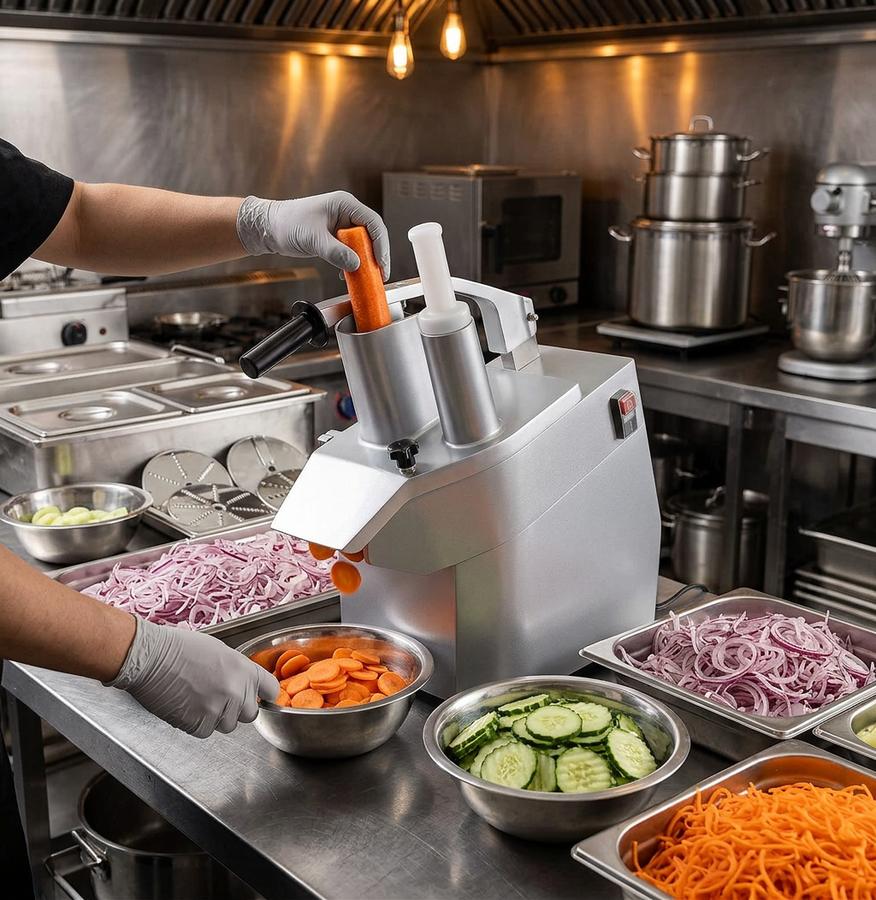
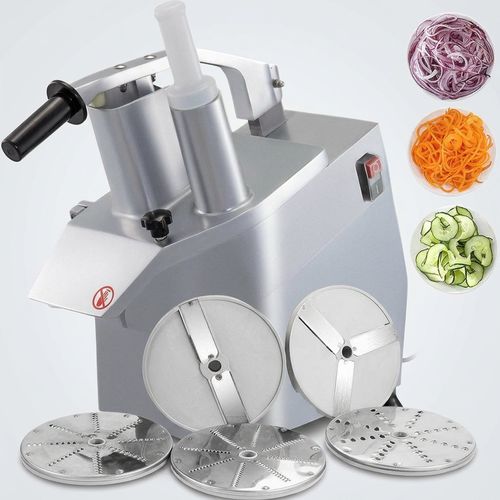
Drop carrots into the 2-hole feed chute, flip the toggle under the transparent safety cover, and watch the 500 W motor clear two pounds of root vegetables in under fifteen seconds. The 51 lb chassis weight matters — the metal absorbs the heat a 4 lb residential processor would dump straight into its motor windings, which is why the catering side-hustle that prepped 50 covers solo last weekend still has the same blade disc on the bench Monday morning.
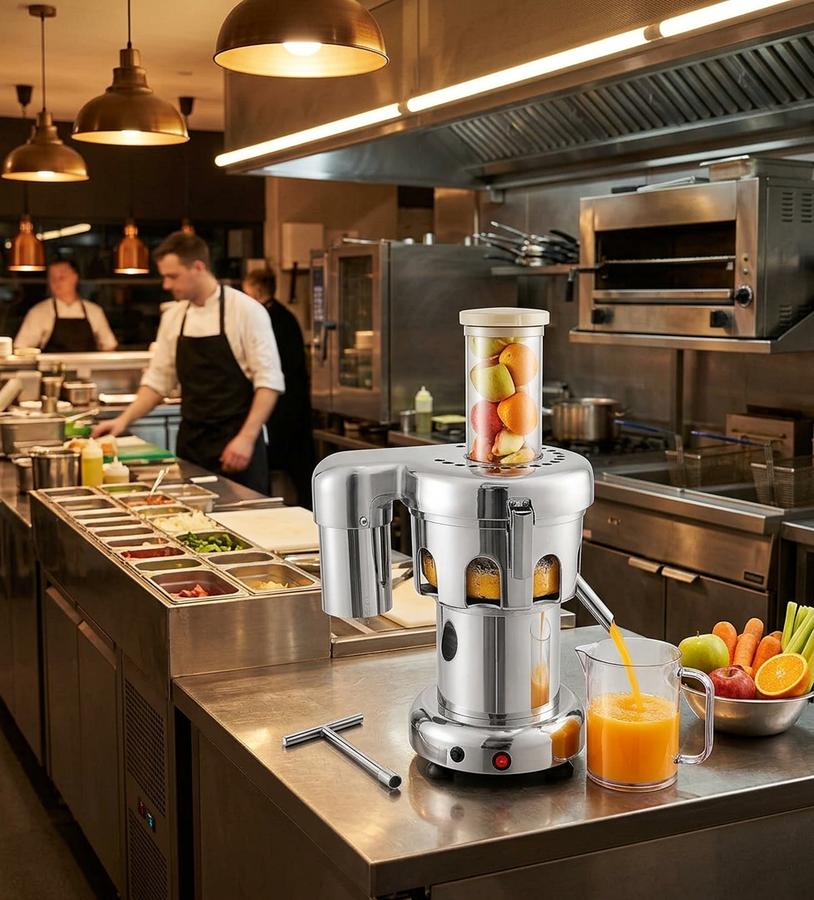
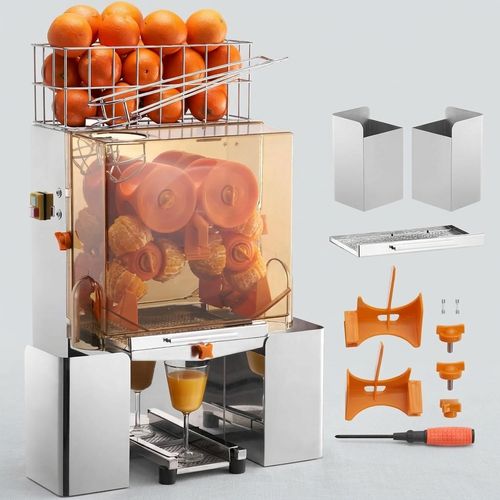
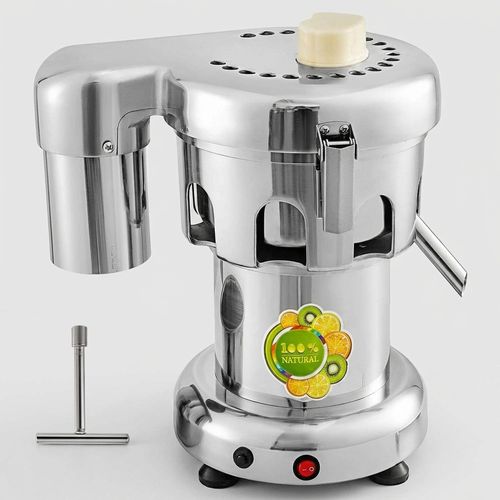
Feed celery and carrots through the wide mouth, watch the 2,800 RPM rollers separate fiber from juice into two stainless catch vessels, hand the cup across the counter, repeat for the next ticket. The 5-grade gear transmission keeps torque steady through the morning rush instead of bogging on the third celery stalk like a residential masticating juicer would. One unit covers an 8-hour shift on a small juice-bar storefront, not a weekend brunch counter.
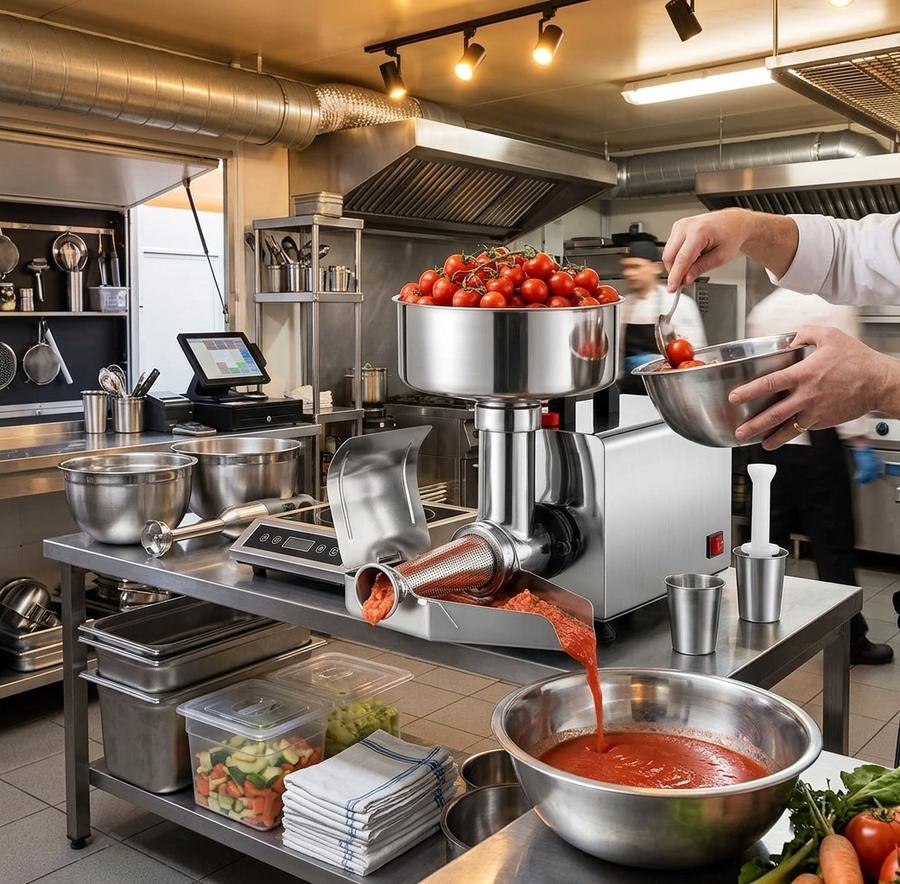
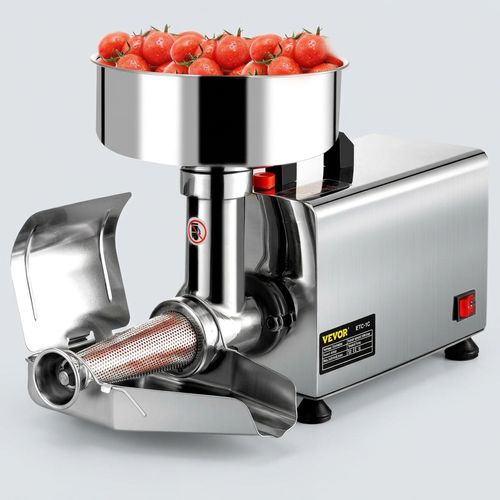
Feed Romas into the auger drum, watch sauce stream into the stainless mixing bowl while pulp ejects separately, repeat until the prep tray clears. The 370 W motor rates the throughput at 100 kilograms per hour — roughly 220 pounds. A pizza-shop sauce day that used to occupy a prep cook from 8 to noon wraps before the lunch rush even gates in. The stainless drum wipes clean between batches; no acid pitting after a season of service.
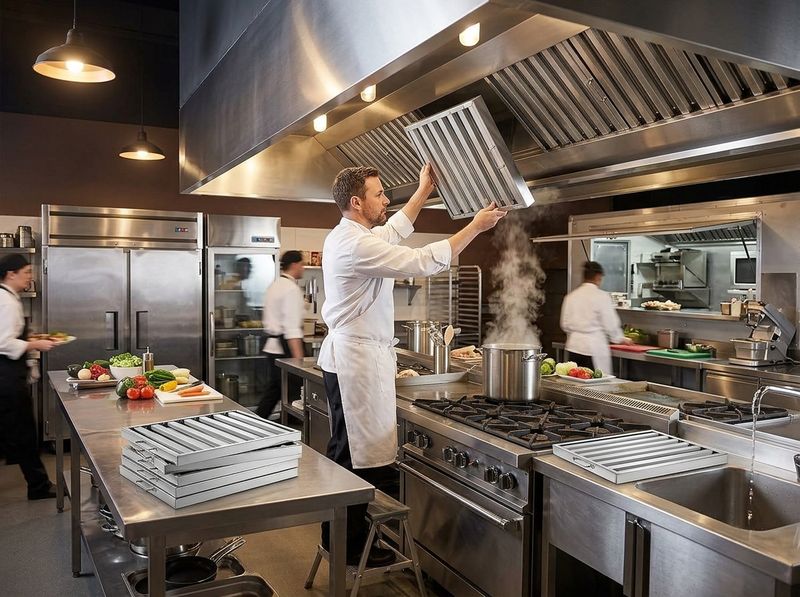
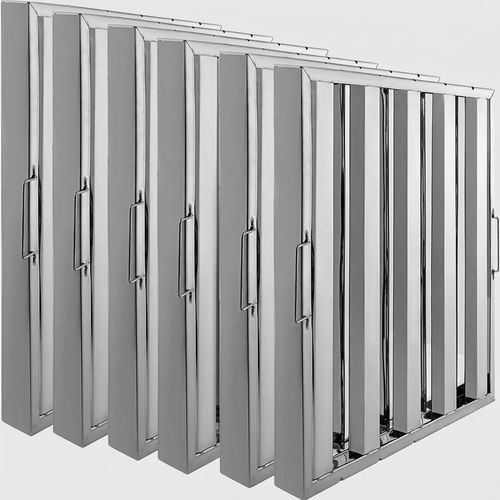
Pull the spent baffle out of the canopy hood, slide a fresh 19.5 × 19.5" 430 stainless replacement up into the slot, drop the spent one in the dishwasher. Six filters in the pack equals six daily-line swap cycles before the next reorder. The 4-groove channel collects grease the way a single-V filter cannot, and the 430 stainless takes a commercial dishwasher cycle without warping the frame after a season of fast-food service.
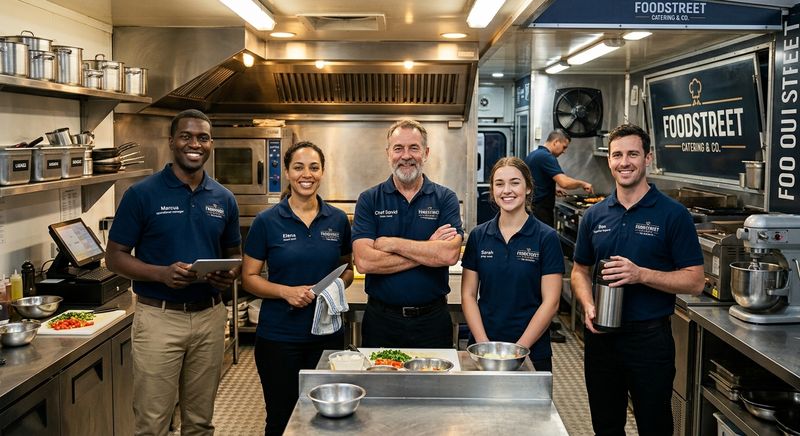
You have been burned by "commercial-grade" labels before. The residential blender that stripped its gears at month four. The Hobart quote that priced you out before you plated your first dish. VBENLEM ships fifteen 110 V kitchen appliances and parts under one online storefront — built for the food-truck operator, juice-bar owner, school-cafeteria buyer, and catering side-hustler who needs commercial-tier output without the four-figure restaurant-supply outlay.
Specs sit on the label, not behind a sales rep. The 500 W food processor weighs 51 lb and runs two feed holes. The 2,800 RPM juicer separates fiber through three stainless rollers. The 22" countertop griddle plugs into a US standard outlet — no electrician, no three-phase rewire. These fifteen products span nine product groups: food prep, cooking, juicing, slicing, vending, concession, storage, hood parts, washing-machine pans. One model — the aluminum folding kitchen table — ships under sister-brand VEVOR; the rest carry VBENLEM branding.
Six representative responses from the 4,817 verified buyer reviews on the storefront. Real specs, real workflows, real follow-up months in.
Bought the 5-tier shelving for our taco truck launch in March. Loaded a full prep mise en place onto each level — sauces, salsas, prepped proteins, paper goods. Nine months in, no rust spotting, no shelf sag. The brushed finish wipes clean with a damp cloth between services.
Ordered the 500 W food processor for weekend events. Prepped two pounds of carrots and a head of cabbage for slaw inside fifteen minutes — the residential processor I retired would have asked for three rest cycles to do the same. Heavy on the bench at 51 lb, which is exactly why it does not skip on continuous feed.
Six baffle filters in one shipment — exactly what the canopy hood needed after we let maintenance slip during the holiday rush. 430 stainless, four-groove channel, dishwasher-safe. Slide the dirty one into the rack, drop a clean one into the slot. Took fifteen minutes total instead of a hood-cleaning service quote.
Three stainless rollers, 2,800 RPM, runs the morning rush at our juice-bar storefront without bogging down. Cleaned three times across an 8-hour open-to-close yesterday. The 0.6 L catch is small if you batch-prep, but for served-fresh order pace it lands the cup in the customer's hand inside thirty seconds.
Picked this up for our pizza-shop sauce day — used to take a prep cook from 8 a.m. until lunch service prep. Now I clear 25 pounds of Romas in fifteen minutes flat. Sauce streams into a stainless mixing bowl on one side, pulp drops out the other. Wiped the drum clean with hot water between batches.
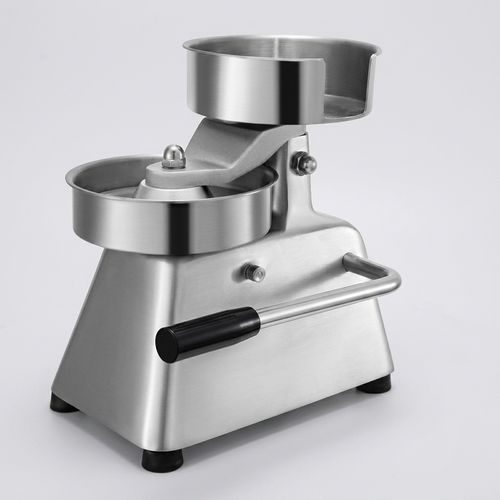
Ordered the 6" stainless burger press for the food-truck weekend rotation. Plated 60 burgers across two services, every patty came out the same diameter, same thickness, same cook time on the griddle. Stainless and aluminum mold rinses in thirty seconds at the three-compartment sink. Three months in, no warp, no stripped threads.
If any of these match your last six months in foodservice equipment shopping, the fifteen models was built for the workflow you are running.
Stop replacing the residential prep tool every quarter. Toss the 4 lb plastic-housing processor that strips its gears under continuous celery feed. The 51 lb VBENLEM chassis sinks heat the residential motor cannot dump — which is why the unit still spins on month nine when the consumer-grade replacement would already be on its third return.
Kill the wait on the supplier callback. End the financing-application loop. The VBENLEM 500 W lands at mid-tier pricing online — same 304 stainless contact surfaces, same two-feed-hole continuous-feed architecture, on a single-truck operator's budget instead of a restaurant-group purchase order.
Strip away the electrician's quote. Skip the 240 V panel upgrade. Every powered VBENLEM appliance runs on US standard 110 V single-phase. The 22" griddle and the 32 W rotisserie share the same circuit as the truck lights — no rewire, no three-phase conversion, no four-figure install bill before the first ticket.
Stop replating the morning shift on a residential masticating juicer. End the bogged-down rollers on the third celery stalk. The 2,800 RPM commercial extractor runs a separate pulp catch vessel — the customer sees the cup hit the counter in thirty seconds, not the operator stopping mid-shift to empty a backed-up tank.
Kill the dependence on a wholesale account you cannot open without a tax ID. End the Tuesday morning blade hunt across third-party sellers. The return window covers the first thirty days; past that, the seller messaging system routes blade and gasket inquiries to the manufacturer support contact referenced on the storefront listing.
Six criteria that decide which side of the buy-vs-skip line a piece of foodservice equipment lands on. Pricing is shown as tier — retail listings update daily, so verify the live price before purchase.
| Criterion | VBENLEM | Hobart | Robot Coupe | Generic value-tier |
|---|---|---|---|---|
| Voltage | 110 V single-phase US standard | 208–240 V three-phase typical on flagship | 120 V on R-series, 208 V+ on flagship | 110 V |
| Material grade (food contact) | 304 / 430 stainless + cast aluminum (verified per SKU) | 304 stainless throughout | 304 stainless throughout | Mixed — often unspecified |
| Price tier (commercial juicer / food processor) | Entry to mid-tier — check today's price | Premium tier | Premium tier | Entry tier |
| Number of models | 9 product groups, 15 models | Wide commercial range, premium-only | Narrow — food-prep specialist | Single-category |
| Average buyer rating | 4.20★ across 4,817 reviews | Restaurant-supply trade buyers (limited online presence) | Mixed online presence | Variable |
| Replacement-parts pathway | Through retailer listings + manufacturer contact (1 SKU references support) | Authorized service network | Authorized service network | Often discontinued |
Day 1 unboxing through Year 1+ replacement-parts cycle — concrete scenarios for the small-business operator buying their first VBENLEM piece.
Freight delivery drops a 51 lb food processor or a 93 lb orange juicer at the kitchen door. Uncrate, plug into a 110 V wall outlet, run the first batch within thirty minutes. Test the keypad and the safety cover during the 30-day return window — freight damage routes back free through the retailer.
First paying-customer week. The 22" griddle clears the breakfast rush across thirty covers between 7 and 9 a.m. The 0.6 L juicer runs the morning juice line. The 5-tier shelf holds prep mise en place a single operator can reach without bending. The launch month begins on plug-in.
First month of daily commercial load. The 304 stainless contact surfaces still wipe clean between batches. The 2,800 RPM juicer holds torque under continuous celery feed. The 19.5" hood filter rotates from canopy to dishwasher every 48 hours. No motor groan, no warped baffle, no replacement run.
Year-mark check. The hood filter pack swaps out for the next six-cycle rotation. The blade discs reorder through the seller messaging system on the storefront listing. The 500 W motor still pulls the same wattage on the breaker meter. Verify the spec floor on the listing detail page before signing the next purchase order.
Four operator profiles that the spec floor was designed to serve — plus the two cases where the 110 V single-phase ceiling will undersize your line.
First piece of commercial gear, tight five-figure equipment budget for the launch month. The 5-tier shelving and the 22" griddle together leave room on the line for a patty press and a prep mandoline.
8-hour shifts, 2,800 RPM extraction floor, replaceable rollers. The commercial juicer covers the morning rush plus the lunch crowd on a single back-counter install.
No electrician budget, 22" griddle for the 200-student breakfast service. Plug into the existing wall outlet, run the breakfast block, unplug for the lunch swap-out.
Weekend events, the 500 W food processor handles solo prep, the 1.4 L immersion blender clears the soup batch, the gear packs into a sedan trunk before sunrise.
A composite perspective drawn from foodservice equipment sourcing practice — not a fabricated persona, not an unverified industry stat.

Foodservice Equipment Operations Consultant
Composite perspective
The line that costs operators the launch budget is the three-phase install. A 110 V single-phase commercial appliance lands on the food-truck rail without a sub-panel rewire — the four-figure electrician quote evaporates. The trade-off lives on the duty-cycle side: rest the motor between continuous-feed batches, swap the hood filter on schedule, and you keep the mid-tier value-brand line running at premium-tier output through year one.
Expert perspective — composite view reflecting commercial-kitchen sourcing practice. Individual experiences vary.
Thirty answers covering brand, specs, voltage, certifications, replacement-parts pathway, and the workflows operators run on these fifteen models.
Spec floor sets the answer. Six SKUs name 304 or 430 food-grade stainless on contact surfaces. The 500 W food processor weighs 51 lb. The 2,800 RPM juicer drives three stainless rollers through a 5-grade gear transmission. Those are commercial duty-cycle markers, not consumer-grade kitchen tools rebranded with a "commercial" sticker.
VBENLEM operates as a US-facing storefront brand. International manufacturing routes through US fulfillment for the online storefront. Each product page lists country-of-origin in the listing details. The buyer-facing pathway runs through the retailer plus a manufacturer support contact for replacement parts.
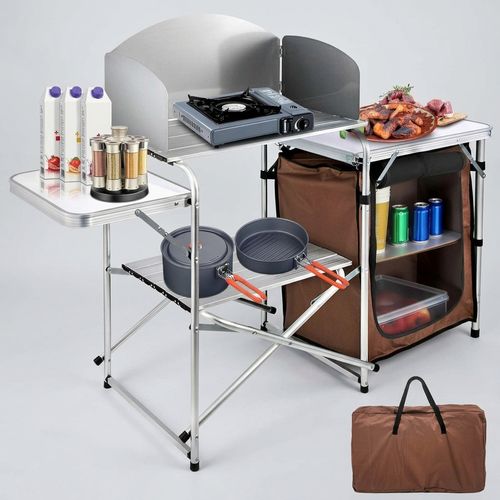
One product in the set — the aluminum folding camping kitchen table — ships under the VEVOR label. The remaining fourteen products carry VBENLEM branding. Both labels appear under the same online storefront, suggesting shared sourcing on selected models without a corporate consolidation announcement on the brand pages.
Yes. Every powered appliance in the set runs on US standard 110 V single-phase. No electrician install, no 240 V conversion, no three-phase rewire. Total amperage at startup matters more than steady-state draw — the 500 W food processor pulls roughly 4.5 A nominal, with a brief inrush spike at motor engagement.
The 51 lb chassis acts as a heat sink for sustained motor work. Owners running 50-guest events report continuous-feed runs in 30-minute batches with cool-down between cycles. Eight straight hours sits beyond the published spec — plan a 10-minute rest per hour of heavy load to keep the windings within thermal margin.
Hobart and Robot Coupe sit in the premium tier with full 304 stainless, three-phase capability on flagships, and authorized service networks. VBENLEM lands at value tier — the same 304 / 430 contact surfaces on most SKUs, 110 V single-phase only, replacement parts via the retailer plus manufacturer contact. Operators trade purchase-price savings for slimmer service-network coverage.
Product copy does not name a brand-specific warranty period. Default coverage routes through the 30-day return window plus the manufacturer support pathway referenced on at least one SKU listing. Verify the active warranty terms on the storefront page before purchase — listing details update independently of marketing copy.
Bullet-point copy across all fifteen models does not name NSF, ETL, UL, or CE listings. If your local foodservice inspector requires a specific certification mark on the equipment label, verify the individual SKU's certification status through the retail listing details before purchase. Some inspectors accept commercial-grade material specs in lieu of NSF on prep equipment.
At least one SKU listing references a manufacturer support contact for parts inquiries. Direct replacement-parts sourcing varies by model. For the 2,800 RPM juicer rollers and the 500 W food processor blade discs, message the seller through the storefront listing — most parts requests route through the retailer's seller messaging system.
Spec sheets do not publish a decibel rating. Owner reports place the noise floor at conversational level for back-of-house use, climbing toward dishwasher-cycle volume during continuous-feed extraction. For a juice-bar storefront with seated customers in the same room, plan a half-wall partition or a back-counter install rather than open-floor placement.
The 22" countertop griddle delivers roughly 484 sq inches of cooking surface against the 36" Blackstone's 720 sq inches. For a 50-cover breakfast service the 22" runs single-cook short-order pace; for 100-plus covers move to a wider deck. The 110 V plug means the griddle works on any food-truck rail without a propane line.
Spec sheet rates 100 kg per hour, which converts to roughly 220 lb per hour of through-fed tomatoes. Pulp ejects separately from the sauce stream. For a pizza-shop sauce day prepping 50 lb of Romas, the strainer clears the batch inside fifteen minutes.
Three picks for tight rails. The 22" countertop griddle covers 484 sq inches in 22 inches of width. The 0.6 L juice extractor lands in a back-counter footprint smaller than a single-station coffee maker. The 5-tier shelving stands upright in 18.5 inches of depth, which fits behind the cab seat rail on most service-window builds.
Three structural reasons. Single-phase 110 V design avoids the heavy industrial-motor cost block. Direct-to-retailer distribution skips the restaurant-supply dealer markup. Service-network coverage runs through retailer messaging plus manufacturer contact instead of an authorized dealer field-service network. Operators trade dealer hand-holding for transactional pricing on the appliance itself.
Depends on combined steady-state draw. The 500 W food processor pulls roughly 4.5 A nominal; the 22" griddle at 3,000 W pulls 25-plus A on its own and demands a dedicated 30-amp circuit. Add wattage figures and divide by 110 V before plugging two motor-driven units into one outlet — startup spikes can trip a shared breaker.
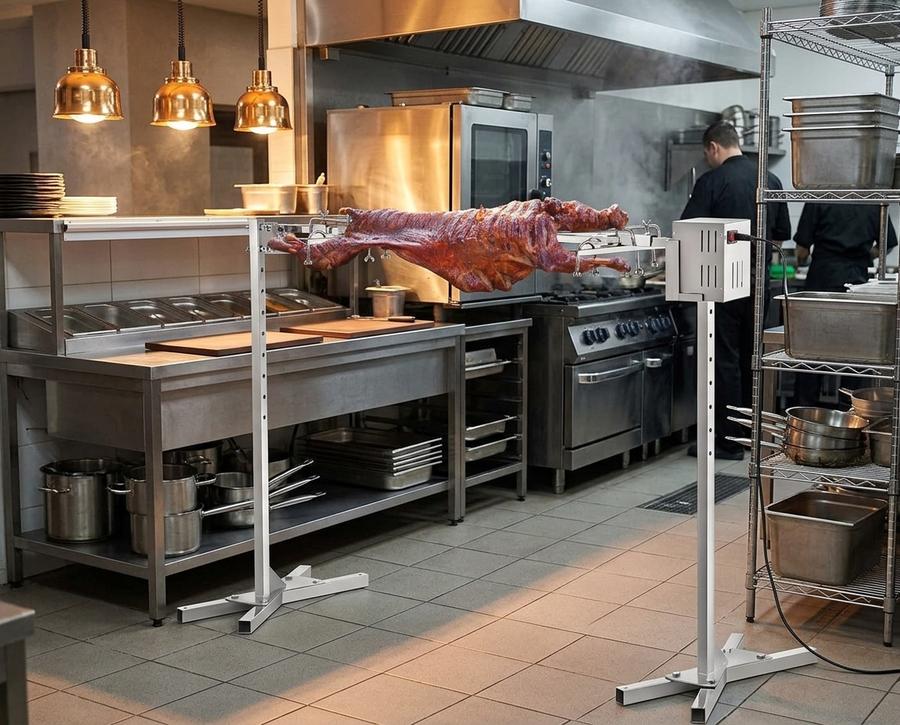
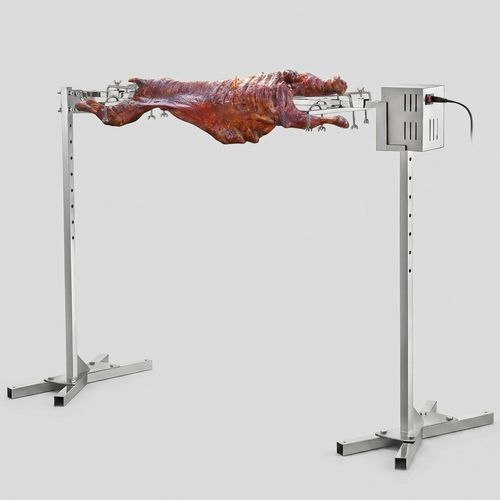
The 32 W motor housing is not rated for direct rain exposure. For outdoor catering, install the rotisserie under a canopy or pop-up tent with at least 8 feet of overhead clearance. The 46" stainless spit and 13 skewer positions hold a 22 lb load steadily through wind shifts when staked correctly.
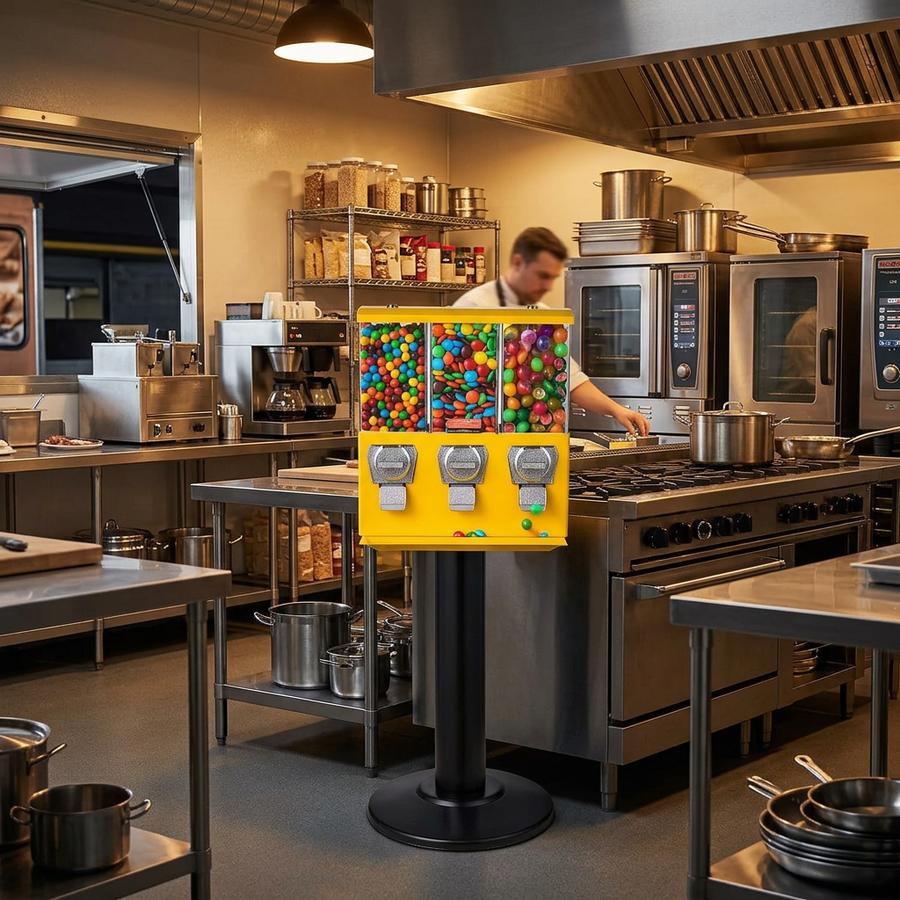
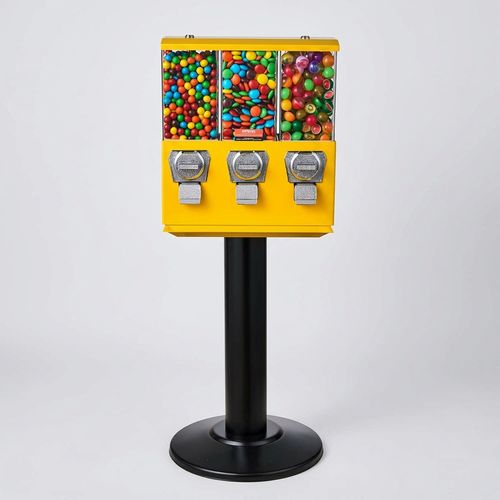
The 44.9 lb base relies on floor placement plus the coin-mechanism counterweight to stay upright. No factory wall-anchor mount points. Operators in heavy-foot-traffic concession lines drill through-holes in the base flange and bolt into a flagstone or concrete pad rather than drywall.
The four feet take shim washers at install for uneven floors. A 1° tilt on the 60" upright telegraphs to the top tier as a 1" lateral drift under load — leveling matters more than weight rating on a service-window build. Verify level with a bubble before loading prep mise en place onto the upper tiers.
Wipe down with hot water and a non-abrasive cloth between batches. Once a week, scrub with a stainless-safe degreaser and rinse thoroughly to clear residue from food-acid contact. The 304 grade resists pitting under tomato, citrus, and vinegar exposure for a season of daily service when the cleaning cadence holds.
Past the 30-day return window, route the request through the seller messaging system on the storefront listing. At least one SKU references a direct manufacturer contact for parts inquiries. Document the failure mode with a photo and the order number — most parts requests turn around inside ten business days.
The 19.5 × 19.5" baffles leave roughly half an inch of slot gap on a 20 × 20" canopy hood. For tighter installations, the gap loses some grease-capture efficiency. Pair the filter pack with a perimeter gasket strip to seal the slot edge — the 4-groove channel still routes grease into the catch tray correctly.
Daily: rinse the three stainless rollers and the pulp catch vessel between fruit and vegetable batches. Weekly: disassemble the roller housing, inspect the gear transmission for fiber buildup, lubricate the bearing per the operator manual. Monthly: spec-floor check on torque under continuous celery feed — bog-down at the second stalk signals roller wear.
Match throughput to your largest weekend event. The 500 W food processor at 51 lb handles 50-guest carrot prep solo. The 370 W tomato strainer at 100 kg per hour clears a 50 lb sauce day inside fifteen minutes. They serve different prep workflows — most catering side-hustlers eventually carry both.
Owner reports across the 22 lb max-load rating confirm steady rotation through whole-chicken and skewer-array setups. Below 16 lb the motor turns smoothly; near 22 lb the rotation slows and benefits from balanced weight distribution across the 13 skewer positions. Stay under the spec ceiling for outdoor catering reliability.
Bullet copy describes the 21" cotton-candy machine cover as a thickened acrylic coating. Acrylic shows higher light clarity than polycarbonate but trades some impact resistance below freezing and above 100°F sustained. For festival deployment, store in shade between rushes to keep dimensional stability through the day.
The detachable shaft is rated dishwasher-safe; the 500 W motor housing is not. Detach the shaft after each shift, run through a commercial dishwasher cycle with the rest of the prep tools, hand-wipe the housing with a damp cloth. Keep the motor-side electrical contacts dry between cycles.
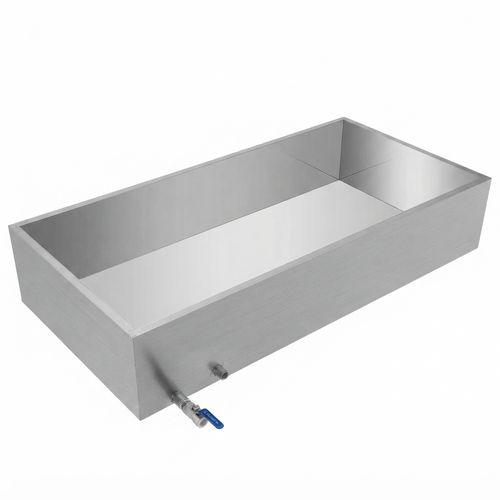
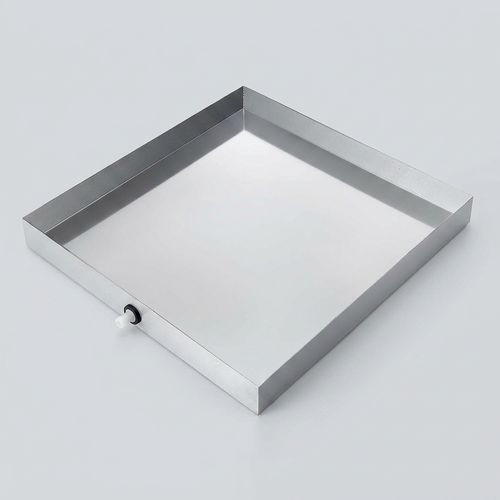
The 32 × 30 × 2.5" 18 GA galvanized pan runs heavier and stiffer than 22 GA alternatives by roughly 25% in steel mass. Foot-traffic deflection drops accordingly — a service-corridor install holds shape after a season of bumped carts and dropped tools where the thinner pan would oilcan.
Folded dimensions land at 5"D × 31"W × 23"H — a flat aluminum stack that slides behind a regular-cab driver's seat with the seat upright. The 21 lb weight rides without a strap. The 88 lb load capacity covers a full prep-station setup once unfolded at the campsite or pop-up event.
Steady-state draw runs roughly 4.5 A nominal at 110 V. Inrush at motor engagement spikes briefly to 8-10 A for under a second before settling. On a 15-amp shared circuit the spike will not trip a healthy breaker; on a circuit already carrying 12 A from other appliances the simultaneous startup may pop the panel.
Past the 30-day return window, communication routes through the seller messaging system on the storefront listing. Document the failure with photos and the order number, attach a short workflow description, send through the retailer's contact form. Most replacement-parts requests resolve inside two weeks; complex motor or chassis claims escalate to the manufacturer support contact referenced on the listing.
Three guides covering the buyer-decision questions that recur across food-truck launches, juice-bar opens, and concession setups.
Two food processors, one 50-guest weekend event, side-by-side carrot-prep timing across a four-batch run.
Read the guide →
Match the 2,800 RPM extractor to the morning-rush ticket pace before signing the back-counter lease.
Read the guide →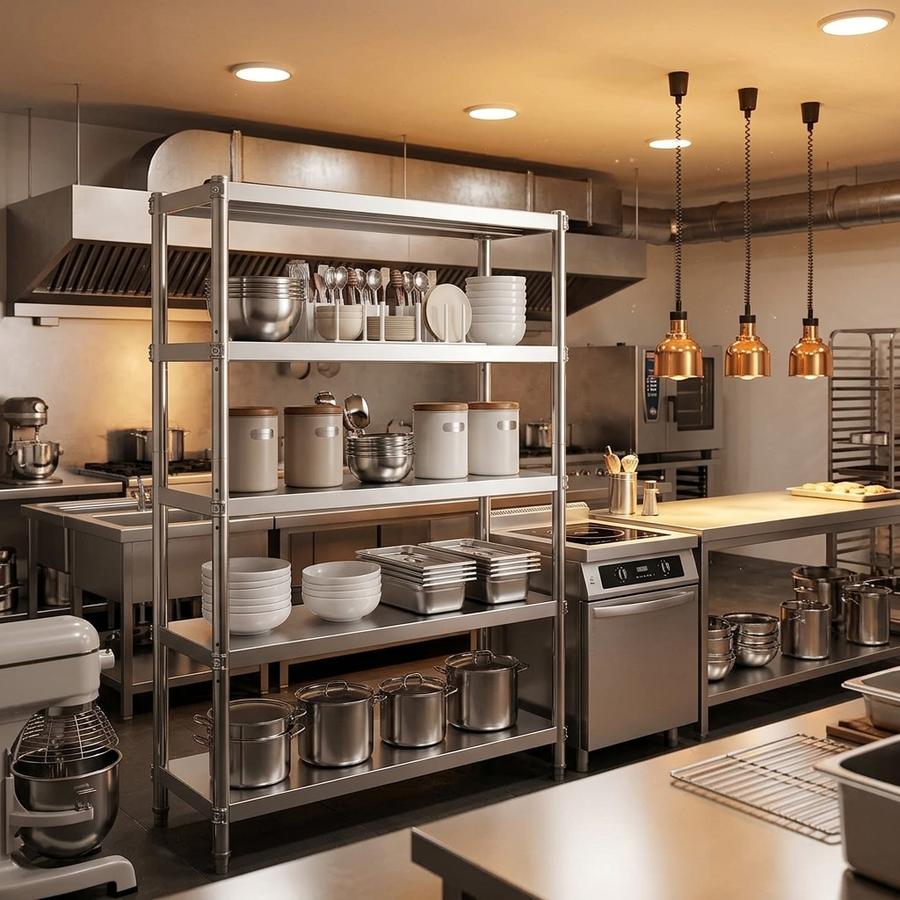
Add wattages, divide by 110 V, plan circuits before the breakfast rush so the shared breaker holds.
Read the guide →Eight scenes from food-truck rails, juice-bar back counters, and catering prep stations — equipment running its actual service.